COMPLIANCE ASSURANCE PROCESS
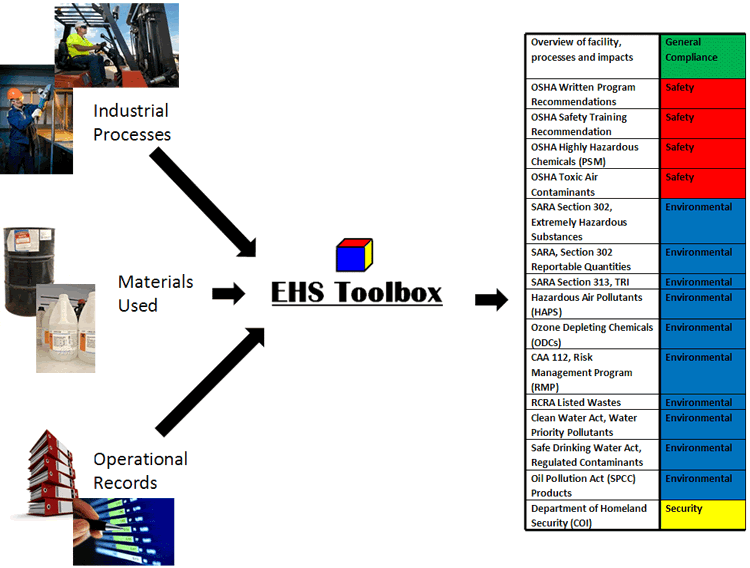
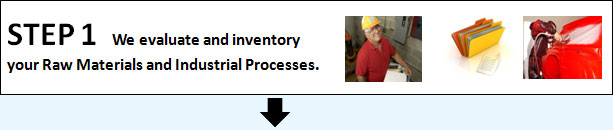
The foundation of the EHS-Unlimited Compliance Assurance process is our proprietary software/database (EHS Toolbox). The EHS Toolbox consists of a comprehensive database of all applicable regulatory requirements and associated chemical compounds. By evaluating an industrial site’s raw material inventory and usage, we can systematically diagnose the facility’s compliance needs. This systematic approach is ideal for managers looking for a systematic method to objectively diagnose the compliance requirements for each site.
EHS Toolbox takes information about your Industrial Processes, Materials and Operations and yields a compliance diagnosis with virtually every domestic Safety and Environmental compliance requirement.
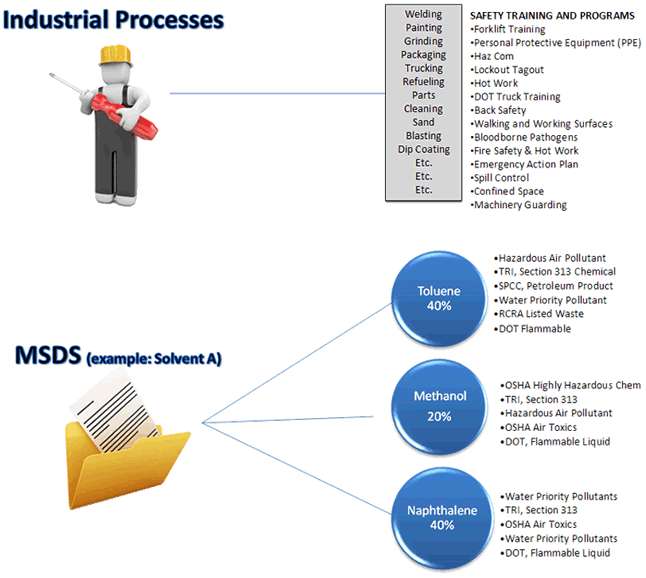
By evaluating each Process and Material (MSDS) individually, EHS Toolbox provides an accurate evaluation of each facilities environmental and safety compliance needs.

DATA INPUTS |
|
| CHEMICAL INVENTORY INPUTS | MSDS and chemical composition (by CAS number) |
| PROCESS INFORMATION INPUTS | Location-specific and geographical information |
SYSTEM OUTPUTS |
|
| REGULATORY REQUIREMENT | ACTION ITEMS |
| Title V, Air Permitting and Annual Reporting - Hazardous Air Pollutants (HAPS), - Volatile Organic Compounds (VOC’s), -Particulate Matter (PM10) etc. |
Maintain air permit. Maintain usage records as required by permit. Must quantify emissions annually. |
| SARA 302 Extremely Hazardous Substances (Threshold Planning Quantities) | Notify state and local (LEPC) agencies if materials are stored in excess of the >TPQ. |
| SARA Section 304 Environmentally Hazardous Substances (Reportable Quantities) | Must report if release > RQ occurs. |
| SARA Title III, Section 313 (Form R Chemical used or processed at the site) | Annual report for manufacturing facilities that "manufacture, process or otherwise use" TRI chemicals. |
| SARA Title II, Section 312 (Tier II Reporting) | Annual report outlining the quantities and locations of hazardous material storage. |
| RCRA Codes (for any listed wastes that may be generated) | Submit quarterly, annual and/or bi-annual waste reports for hazardous waste. |
| CERCLA Reportable Quantities, Section 103 | Report if >RQ is released. |
| Clean Air Act Section 112 (r ) TQ | If chems are "in process" > RQ, must develop Risk Management Plan (RMP) and associated documents. |
| OSHA Highly Hazardous Chemicals (Threshold Quantities), Process Safety Management (PSM) | Develop Process Safety Management plan for chemicals stored in excess of TQ. |
| TSCA, Section 12 (b) Export Notification Requirements | Must notify export agency prior to shipping materials. |
| Toxic Air Contaminants and associated TLV’s and PEL’s, (29 CFR 1910.1000, Toxic Air Contaminants) | Quantify pollutant concentrations and insure that TLV’s and PEL’s are not exceeded. |
| Site-specific list of hazardous materials (required by 29 CFR 1910.1200 Hazard Communication standard) | Maintain an accurate list of all hazardous chemicals in the work place. |
| Storm Water Pollution Prevention Plan (SWPPP). Water Priority Pollutant inventory |
Submit permit application and maintain (SWPPP) |
| Spill Prevention Control and Countermeasure Plan (SPCC). Petroleum product inventory | Develop and maintain SPCC if petroleum products are stored in excess of specified thresholds. |
| Department of Homeland Security, Chemicals of Interest |
Chemical Security Assessment Tools (CSAT) and Chemical-Terrorism Vulnerability Tool Information (CIV) |
